Loading...
Serving Victorville, CA and surrounding areas. (442) 219-3082
Victorville Sunrooms & Patios is a licensed sunroom contractor serving Apple Valley, CA, building sunroom additions, four season sunrooms, and patio enclosures. We have served the Victor Valley since 2020 and handle permits through the Town of Apple Valley from start to finish.
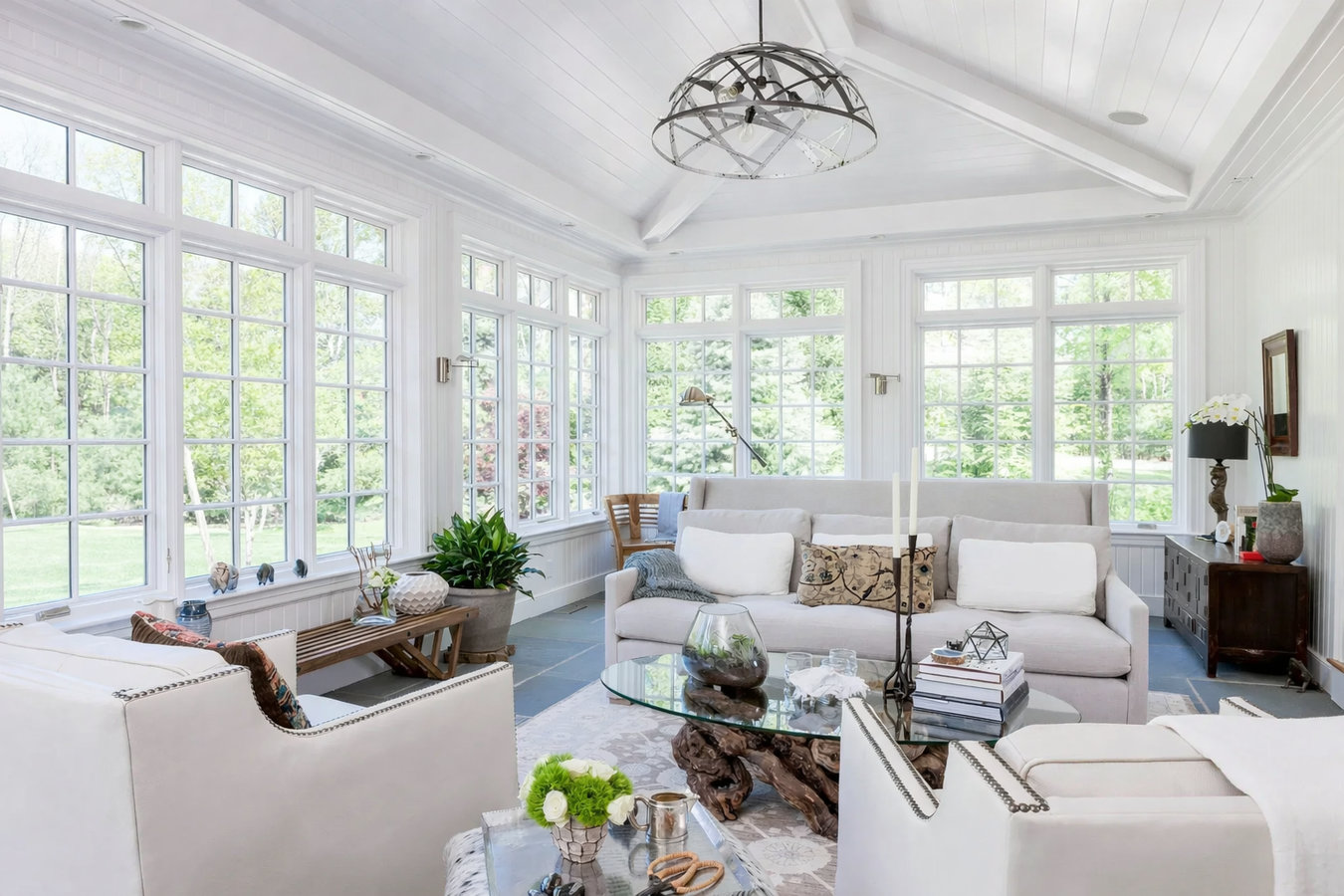
Apple Valley homes sit on large lots with significant backyard space that often goes unused because the heat makes it unlivable. Our sunroom additions are built for the town's nearly 3,000-foot elevation climate, where summer temperatures push past 100 degrees and winter nights drop below freezing - both extremes demand proper glazing and insulation from the start.
Apple Valley gets genuine winter cold - frost is common from November through February, and the town occasionally sees light snow. A four season sunroom with insulated frames and low-E glass keeps the room usable on cold mornings and hot afternoons alike, so you are not paying for a room you can only use three months a year.
Most Apple Valley homes from the 1980s and 1990s have a bare concrete patio that is comfortable for only a few weeks out of the year. Enclosing that slab with a properly permitted patio room keeps desert dust and wind out while giving you a usable outdoor-connected space at a lower cost than a full room addition.
Spring winds in the Victor Valley bring sand and grit that make outdoor living unpleasant for weeks at a time. Apple Valley homes with large yards benefit from a properly framed screen room that keeps the desert debris and insects out while letting the cooler evening air through during the more comfortable months.
Apple Valley has several HOA-governed developments where additions require architectural review before permits can be pulled. We design custom sunrooms that match HOA color and material requirements and prepare the drawings for both your association approval and your building permit application simultaneously.
Apple Valley lots are large and often have expansive outdoor areas that need shade before they become usable. A permitted patio cover anchored correctly to the house wall blocks the intense desert sun while keeping the area open - a good first step before a full enclosure if your budget calls for a phased approach.
Apple Valley sits at nearly 3,000 feet in the Mojave Desert, and that elevation produces a climate that surprises homeowners who moved here from lower-elevation parts of California. Summers push past 100 degrees, but winters bring real cold - frost on multiple nights from November through February, and occasional light snow. That freeze-thaw cycle is hard on concrete foundations, stucco exteriors, and any structure that connects to your house. A sunroom contractor who has not worked in Apple Valley before may spec materials that handle desert heat but crack or draft badly when January temperatures drop.
The town's housing stock adds local context a contractor needs to know. Most Apple Valley homes were built between the 1970s and early 2000s on large lots - single-family, single-story, stucco-sided, and sitting on concrete slab foundations. Sandy desert soil drains well but shifts with the freeze-thaw cycles, which means footings need to sit below the frost line. The town also has HOA-governed neighborhoods, especially in newer developments, where architectural review is required before permits can be pulled. A contractor unfamiliar with Apple Valley may not know which neighborhoods require that extra step - and skipping it means starting over.
Our crew works throughout Apple Valley regularly, and we pull permits through the Town of Apple Valley on projects within town limits. Apple Valley is an incorporated town that processes its own building permits separately from San Bernardino County - knowing which jurisdiction applies to your address matters before preparing any documents, and we verify this at the start of every job.
Apple Valley is a spread-out town with distinct neighborhoods across a wide area. The older neighborhoods near Highway 18 on the west side of town have homes from the 1970s and 1980s, while newer tracts toward the Apple Valley Airport on the east side were built in the 1990s and 2000s. The town's connection to Roy Rogers and Dale Evans - who made Apple Valley their home for decades - is something residents know well and take pride in. Homeowners here tend to be long-term owner-occupants who care about how additions look from the street, which shapes how we approach every design conversation.
We also serve homeowners in the communities surrounding Apple Valley, including Lucerne Valley to the east and Victorville to the northwest. If you have a job in Apple Valley and want a contractor who already knows the area, we are regularly active nearby.
Reach out by phone or through the contact form and we will respond within one business day. We will ask a few quick questions - the size of the space, whether you are in an HOA, and what you want to use the room for - before scheduling anything.
We come to your Apple Valley home to measure the space, assess the existing foundation and wall connection points, and walk through your options. You will receive a written estimate with no surprises - cost factors like frost-line footings and HOA submittal fees are included upfront, not added later.
Once you sign the contract, we prepare permit drawings and submit to the Town of Apple Valley on your behalf. If you are in an HOA, we prepare the architectural submittal documents at the same time. Town permit review typically takes three to five weeks.
With permits approved, we complete foundation, framing, glazing, and finishing - typically two to four weeks for most Apple Valley projects. We walk through the finished room with you, confirm all windows and doors operate correctly, and handle the final inspection sign-off so your addition is fully permitted and on record.
We serve Apple Valley and the surrounding High Desert. Written estimates, no pressure, permits handled.
(442) 219-3082Apple Valley is an incorporated town in San Bernardino County with roughly 75,000 to 80,000 residents, making it one of the larger communities in the Victor Valley. It sits in the Mojave Desert at nearly 3,000 feet above sea level, east of Victorville and north of Hesperia, connected to both by Highway 18 and the Bear Valley Road corridor. The town grew steadily from the 1970s through the early 2000s as families relocated from the Los Angeles basin in search of more affordable housing and larger lots. That growth produced a predominantly single-family housing stock on generous parcels, with most homes finished in stucco and sitting on concrete slab foundations. Apple Valley has a well-documented history as the longtime home of Western stars Roy Rogers and Dale Evans, an identity the town still carries with pride.
Apple Valley is spread across a wide footprint with distinct neighborhoods that vary in age and character. The older streets closer to Highway 18 tend to have homes from the 1970s and early 1980s on larger desert lots with mature landscaping. The neighborhoods toward the Apple Valley Airport on the east side of town are newer, built primarily in the 1990s through mid-2000s, and include several HOA- governed developments. The town is part of the broader Victor Valley community alongside Victorville and Adelanto, and residents share the High Desert climate and building conditions that shape what good outdoor living construction looks like in this part of California.
Keep bugs out and fresh air in with a professionally installed screen room.
Learn MoreTurn your deck into a weatherproof sunroom you can enjoy all year.
Learn MoreGlass solarium installations that maximize natural light in your home.
Learn MoreDurable patio covers that protect your outdoor space from sun and rain.
Learn MoreCall us or submit a request online. We respond within one business day and handle all permits through the Town of Apple Valley.